









Skill, Aim, and Timing: How Online Fish Table Games Help You Practice
 Samuel Smith | December 22, 2025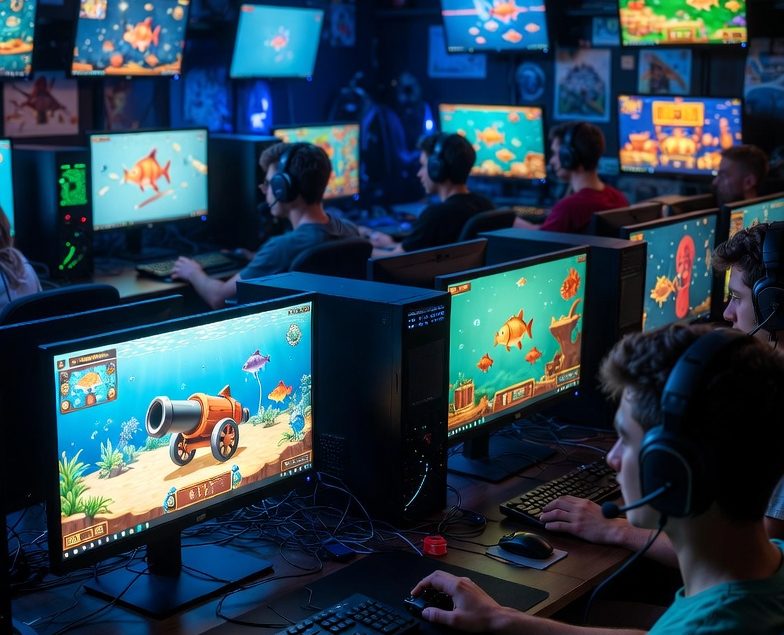
Why Fish Tables Feel Like Practice
Online fish table games move fast, but the goal is simple: track a target, time a shot, and see immediate feedback. That quick loop can train hand-eye coordination in a way that feels closer to an arcade shooter than a passive tap-and-wait game.
In Short: Fish tables turn repetition into a clear practice routine. The best results come from focusing on one skill at a time.
Start With Fundamentals in a Low-Pressure Lobby
The fastest way to sharpen the basics is to start where mistakes are easy to reset. On Zula Casino, fish tables free play games give players a straightforward space to practice aiming, firing rhythm, and target tracking. A short warm-up often makes later rounds feel calmer and more intentional.
Set one goal for each session, such as “lead moving fish” or “use fewer rapid shots,” and stick with it for five to ten minutes. Focus on consistency first, then add speed only after accuracy improves.
Aiming Drills That Build Control
Good aim in fish tables is less about perfect reflexes and more about steady, repeatable cursor movement. Simple drills help players learn how far to lead targets and when to switch from single shots to short bursts.
- Track One Fish: Keep the crosshair on a single target for several seconds, even when others pass by.
- Lead, Then Fire: Aim slightly ahead of the fish’s path, then shoot as it “swims into” the reticle.
- Burst Control: Fire two to four quick shots, pause, and re-center before firing again.
- Edge Awareness: Stop shooting when a fish is about to leave the screen, then pick a new target.
- Group Sweeps: When a school appears, sweep across it smoothly instead of snapping between targets.
Timing and Power-Ups: When To Shoot and When To Wait
Timing is the difference between purposeful shots and random clicking. The screen changes in waves, so waiting a moment can create better angles and better targets.
Watch the Screen, Not Just One Target
Scan for patterns like clustered fish, slower routes, and predictable turns near the center. Choosing targets that stay on-screen longer gives more time to aim and adjust.
Use Power-Ups With a Plan
Save special effects for crowded moments, such as when several fish overlap and movement slows. Pairing a freeze-style effect with controlled bursts can increase hits without spraying the whole screen.
Quick Tip: If the screen looks empty, hold the power-up and practice clean single shots instead. Consistent timing matters more than constant firing.
Table Awareness: Patterns, Pace, and Positioning
Fish tables are often shared, which means targets can disappear quickly when other players focus the same area. Practicing awareness helps players pick better lanes, avoid clutter, and recognize when it is smarter to rotate to a different part of the screen. Looking for calmer lanes can also make aiming feel steadier.
| Practice Focus | What To Watch For |
|---|---|
| Small Targets | Stable rhythm and smooth tracking |
| Big Targets | Longer time on-screen and clear angles |
| Busy Waves | Moments when multiple paths intersect |
Turning Practice Into Better Sessions
Progress comes from repeating the same skills until they feel automatic: steady tracking, smart target choice, and well-timed bursts. Keep sessions short, take breaks when focus fades, and treat each round as a chance to improve one small habit. A simple note about what worked makes the next session easier to plan.
In Short: Aim for consistency first, then increase speed. Small improvements add up over time. Short, focused practice builds confidence and reduces wasted shots during busy waves.