










Dodgers Sign Kyle Tucker and Remind Everyone How Things Work Now
 Matt Dominique | January 16, 2026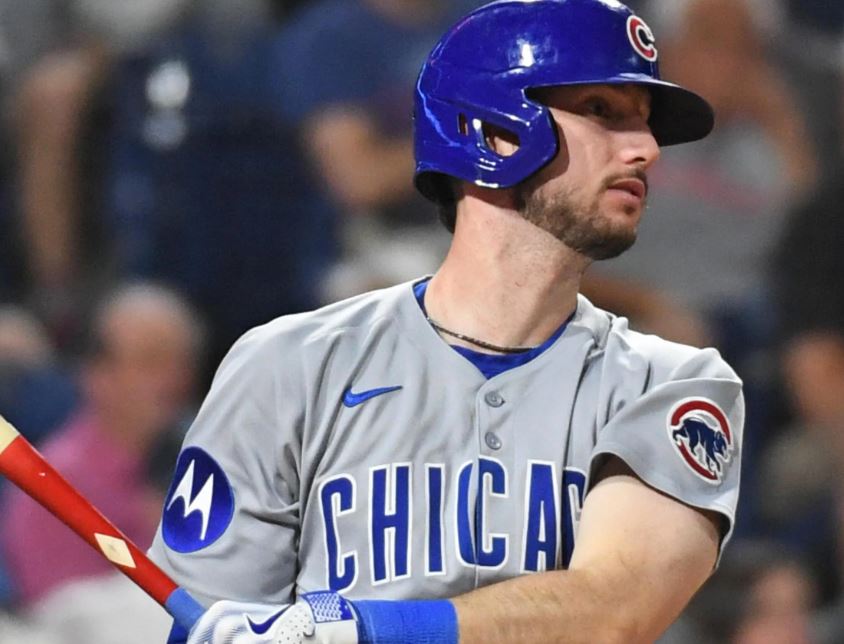
For a few days, it looked like someone else might finally win one of these. Toronto was hanging around. The Mets were throwing around absurd annual numbers. Kyle Tucker’s name sat at the top of the free-agent board long enough that it felt like the Dodgers might actually let it play out without them. Then, right on cue, Los Angeles stepped in and ended the discussion. Four years. $240 million. Tucker to the Dodgers. Another star added to a roster that somehow keeps finding room for more.
Why the Process Mattered
How it happened matters. Tucker wasn’t supposed to be a Dodger lock. The Blue Jays were believed to be offering longer-term security. The Mets were pushing salary levels that usually scare off everyone else. When reports surfaced that New York was willing to go as high as $50 million per year, that sounded like the type of offer that forces a decision. Instead, the Dodgers waited. Quietly. Patiently. And when the moment came, they simply went higher. That’s what separates this version of Los Angeles from the rest of the league. They don’t need to control the rumor mill. They don’t need to leak confidence. They can afford to sit back, let everyone else show their cards, and then play the winning hand.
Why Tucker Fits, Even Without the Hype
Tucker isn’t the kind of player people usually associate with contracts that stop conversations. He’s not Ohtani. He’s not Soto. There’s no once-in-a-generation label attached. But he’s been one of the most reliable offensive players in baseball for years, and that’s exactly why the Dodgers wanted him. He shows up. He gets on base. He doesn’t need everything built around him to matter.
The Quiet Weakness This Signing Fixes
That last part is important because, for all the star power in Los Angeles, there were real soft spots. The outfield, in particular, quietly became one of them after Mookie Betts moved to the infield full-time. Over the last couple of seasons, the Dodgers’ outfield production slipped into the bottom half of the league. Last year’s on-base numbers were especially thin. Tucker fixes that immediately. Over the last three seasons, his on-base percentage sits right alongside Ohtani and Freddie Freeman. That plays especially well in a lineup that’s starting to show its age in places.
Insurance Against the Inevitable
Freeman is still excellent, but he’s approaching his late 30s. Betts remains valuable, though his bat dipped in 2025. Max Muncy is productive when healthy and also nearing the end of his contract. After Will Smith, there aren’t many bats you feel great about penciling in without hesitation. Tucker gives the Dodgers protection. Against regression. Against cold stretches. Against the reality that not every veteran stays elite forever.
Big Money, Familiar Logic
The contract itself fits how the Dodgers operate now. Massive annual money, limited long-term risk, and opt-outs that keep flexibility intact. If Tucker stays the full four years, great. If not, they’ve still bought prime production without tying up the future. This isn’t about one player. It’s about how the Dodgers continue to treat contention as a constant, not a window. If there’s a weakness, they don’t patch it. They erase it. If the cost is uncomfortable, they absorb it. Kyle Tucker happened to be available. The Dodgers decided that was reason enough.
Kyle Tucker Quick Facts
- Born January 17, 1997 (he just turned 29 as of yesterday/today in 2026).
- Drafted 5th overall by the Houston Astros in 2015.
- Debuted in 2018 with the Astros, where he became a key part of their lineup for years (multiple All-Star nods, consistent 30+ HR potential seasons when healthy).
- After 2024 with Houston, he played 2025 with the Chicago Cubs.