










The NBA’s Tanking Problem Is Getting Harder to Ignore
 James Willis | March 6, 2026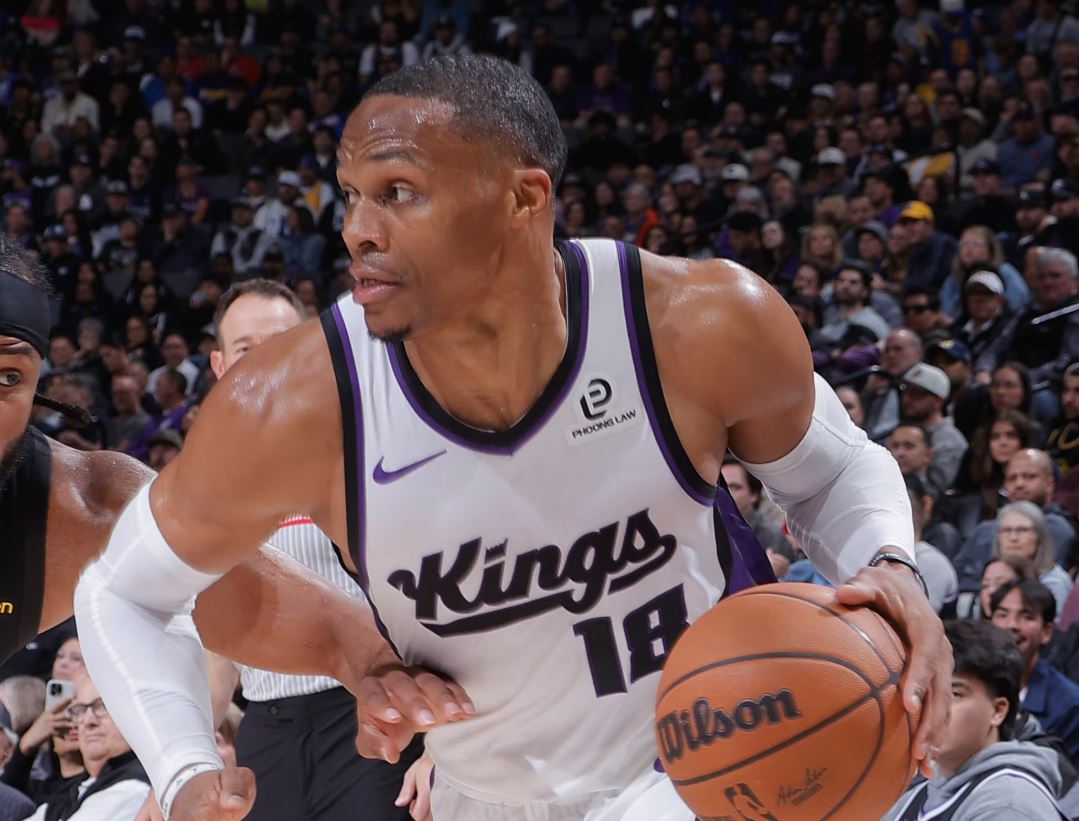
If you spend enough time talking basketball with friends, especially late in the season, the conversation eventually turns to the teams at the bottom of the standings. Not the playoff race. Not the MVP debate. The teams that are quietly stacking losses and inching closer to the draft lottery. This year, that conversation has gotten a lot louder because the numbers are honestly pretty crazy.
As March rolls along, the 10 worst teams in the NBA have combined for a 40-game losing streak. That’s not one franchise spiraling out of control. It’s ten different teams losing at the same time. When you see a stat like that, it’s impossible not to wonder what’s really going on.
Look at the standings and the pattern jumps out immediately. Sacramento is sitting at the bottom with a 14-49 record. Brooklyn and Indiana are right behind them at 15-46. Washington, Utah, and New Orleans haven’t had much luck either. Even teams a little higher in the standings, like Dallas, Memphis, Chicago, and Milwaukee, have dropped a string of games recently.
Now, losing streaks happen every season. Some teams are young, some are rebuilding, and some just don’t have the talent to compete night after night. That’s part of the NBA landscape. But when so many teams near the bottom start losing at the same time, people around the league start asking the obvious question: how many of these teams are already thinking about the draft instead of the standings?
The NBA has tried to deal with tanking before. Back in 2019, the league changed the draft lottery odds so the three worst teams all have the same 14% chance of winning the No. 1 pick. The idea was to remove the incentive to completely bottom out.
In theory, that should make teams less desperate to finish with the worst record in the league, but in reality, seasons like this remind everyone that the temptation is still there.
A big reason is the upcoming 2026 draft class, which scouts have been talking about for a while. Kansas guard Darryn Peterson is expected to be one of the most exciting prospects to enter the league in years. BYU star AJ Dybantsa has been on NBA radars since high school. Duke forward Cameron Boozer and North Carolina’s Caleb Wilson are also drawing serious attention.
When teams believe a draft class has multiple potential stars, the calculation changes quickly.
In basketball, one player can completely reshape a franchise. We’ve seen it plenty of times. Detroit’s surge in the standings came after landing Cade Cunningham with the No. 1 pick. San Antonio’s rebuild sped up immediately once Victor Wembanyama arrived in 2023.
That kind of impact explains why teams chase lottery odds even when the odds themselves aren’t great.
The NBA has already stepped in when situations looked too obvious. Utah was fined $500,000 earlier this season after resting key players late in a close game. Commissioner Adam Silver has also admitted that tanking appears worse this year than in recent seasons.
The tricky part is proving intent. Teams can always say they’re developing young players or managing injuries. Sometimes that explanation makes sense. Other times it feels a little convenient. There’s also the reality that tanking doesn’t guarantee anything.
Just last season, the three worst teams didn’t land the No. 1 pick. Charlotte drafted fourth, Utah picked fifth, and Washington sixth. Meanwhile, Dallas jumped to the top spot with only a 1.8% chance in the lottery. That randomness is exactly why the lottery exists.
Still, when the bottom of the standings produces a combined 40-game losing streak, it’s hard to pretend nothing unusual is happening.
The NBA wants competitive games every night, but the standings right now tell a different story. And until the league finds a better solution, conversations about tanking will continue.
See Also: Tanking Isn’t Subtle Anymore