










Are Networks Using Shorter MLB Games to Squeeze in More Commercials?
 Scott Morris | July 23, 2026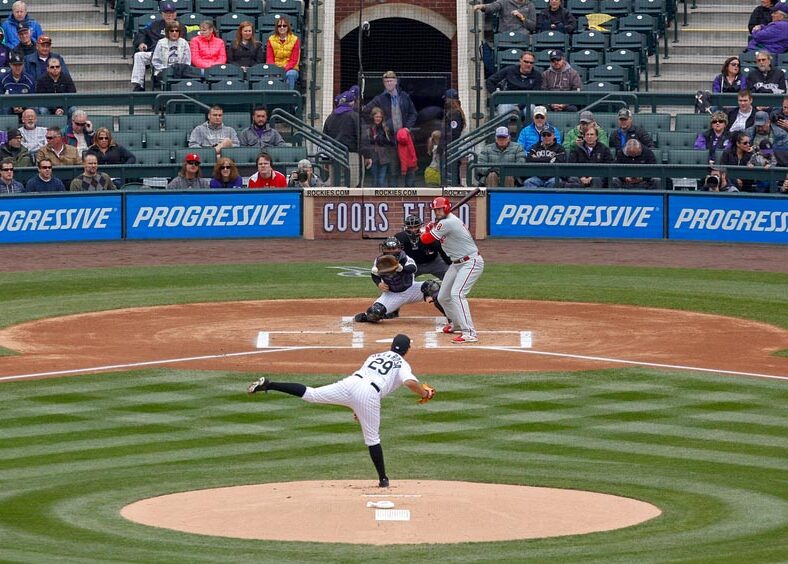
It’s the dog days of summer. No real sports going on right now other than baseball. And of you are an MLB fan this is just fine. The MLB season is like an overloaded freight train to me. It takes a long while to really get going but once it does it moves quickly to the playoff crescendo.
If you are anything like me, you enjoy the shorter MLB games. A few years ago, MLB instituted a pitch clock to keep the game moving along more swiftly. It has basically shaved about 20 minutes off each broadcast. And yes, that includes the entire broadcast.
MLB and TV Networks have NOT used the shorter games to squeeze in more ads. Instead, they have found a way to run mini commercials during the game where they break away for a few seconds while you can see the game in a little box on your TV screen.
Why Commercials Didn’t Increase
Strict Break Limits: Major League Baseball strictly regulates the duration of half-inning breaks. Local TV broadcasts are capped at 2 minutes, 15 seconds of commercial time between frames, while national games are capped at 2 minutes, 40 seconds. These limits did not increase when the pitch clock was introduced.
Loss of Ad Real Estate: Because games move faster, there are fewer mid-inning pitching changes and fewer extended lulls. This actually caused regional sports networks to lose an average of two commercial opportunities per game, representing a significant ad revenue challenge.
How Networks Are Making Up the Revenue
Instead of lengthening the game with more commercial breaks, TV networks and MLB have adapted by utilizing alternative advertising formats:
- “Play-Through” Split-Screens (as mentioned above): Networks increasingly use picture-in-picture ads during brief pauses in live action, a format popular in golf and auto racing.
- Virtual Mound Signage: Digital ads projected directly onto the backstop behind home plate or onto the pitcher’s mound change dynamically throughout the game.
- Sponsored Graphic Overlays: On-screen statistics, starting lineups, and pitching match-ups are more frequently paired with corporate sponsors.